
Lawn Care Tips for Homeowners in Omaha
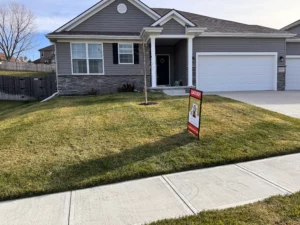
Maintaining a healthy, attractive lawn in Omaha requires more than just occasional mowing. Our region’s climate, soil conditions, and grass types all play a role in how your lawn grows throughout the year. Understanding proper mowing practices, seasonal timing, and basic equipment care can make the difference between a lawn that struggles and
one that thrives.
This guide covers essential lawn care tips for Omaha homeowners, with a strong focus on mowing best practices, seasonal considerations, and long-term lawn health. Whether you maintain your lawn yourself or work with a professional, these fundamentals will help you make better decisions year-round.
Understanding Omaha Lawns and Grass Types
Most lawns in the Omaha area are made up of cool-season grasses, which grow most actively in spring and fall. These grasses respond well to consistent mowing, proper height management, and good seasonal care.
Common grass types in Omaha include:
-
Kentucky bluegrass
-
Tall fescue
-
Fine fescue
-
Perennial ryegrass
Some homeowners may also have warm-season grasses like bermuda or zoysia in specific areas, though they are less common locally. Knowing what type of grass you have is important because mowing height, frequency, and seasonal care vary by grass type.
Mowing Basics: The Foundation of Lawn Health
Mowing may seem simple, but improper mowing is one of the most common causes of weak, stressed lawns. Height, frequency, technique, and timing all matter.
Mowing Height: Why It Matters
Maintaining the correct mowing height helps:
-
Promote deeper root growth
-
Improve drought tolerance
-
Reduce weed pressure
-
Prevent diseases and stress on the lawn
Recommended Mowing Heights by Grass Type
Cool-Season Grasses (most common in Omaha)
(Kentucky bluegrass, fescues, ryegrass)
-
Ideal height: 2.5 to 4 inches
Warm-Season Grasses
(Bermuda, zoysia, buffalograss)
-
Ideal height: 1.5 to 3 inches
Taller grass shades the soil, retains moisture better, and discourages weed germination — especially important during hot Omaha summers.
Avoid Cutting Too Much at Once
A key rule of mowing is the one-third rule:
Never remove more than one-third of the grass height in a single mowing.
Cutting too much at once can:
-
Stress the grass
-
Reduce root development
-
Leave the lawn vulnerable to disease
If your lawn gets too tall, gradually lower the mowing height over multiple mowings instead of cutting it all at once.
Mowing Frequency: How Often Should You Mow in Omaha?
Mowing frequency depends on grass growth rate, which changes throughout the season.
Peak Growing Seasons
-
Spring and early summer: Weekly mowing is often necessary
-
Fall: Weekly or biweekly depending on growth
Slower Growth Periods
-
Mid to late summer: Growth may slow during heat stress
-
Late fall: Mowing tapers off as grass prepares for dormancy
Regular mowing keeps grass healthy and prevents scalping, which can damage lawns quickly during periods of rapid growth.
Weather Conditions: Timing Your Mow Correctly
Always mow when the grass is dry.
Mowing wet grass can:
-
Cause clumping and uneven cuts
-
Increase the risk of disease
-
Leave ruts in soft soil
-
Make mowing unsafe due to slippery conditions
After rainfall, allow the lawn time to dry before mowing for cleaner results and healthier turf.
Mowing Techniques for a Healthier Lawn
Change Your Mowing Pattern
Mowing the same direction every time can cause grass to lean and develop a “grain,” leading to uneven cutting.
To prevent this:
-
Alternate mowing patterns (horizontal, vertical, diagonal)
-
Change directions regularly throughout the season
This helps grass grow upright and results in a more even appearance.
Overlap Each Pass
Slightly overlapping each mowing pass ensures:
-
Even cutting
-
No missed strips
-
A cleaner, more professional finish
This is especially important when mowing larger lawns or areas with uneven growth.
Grass Clippings: To Bag or Not to Bag?
Grasscycling (Leaving Clippings)
Leaving grass clippings on the lawn allows them to:
-
Decompose quickly
-
Return nutrients to the soil
-
Reduce the need for additional fertilization
Grass clippings are mostly water and decompose rapidly when mowing is done correctly.
When to Remove Clippings
Remove clippings if they are:
-
Excessively thick
-
Wet and clumping
-
Smothering the grass surface
Dense clippings can contribute to thatch buildup and uneven growth if left unmanaged.
Edging and Trimming for a Finished Look
Mowing alone doesn’t create a polished lawn. Edging and trimming define boundaries and prevent grass from spreading where it shouldn’t.
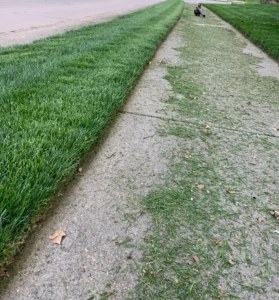
Edging
Use an edger or string trimmer to maintain clean lines along:
-
Sidewalks
-
Driveways
-
Patios
-
Flower beds
Crisp edges instantly improves curb appeal.
Trimming
Trim around:
-
Trees
-
Fences
-
Mailboxes
-
Landscaping features and other protruding obstacles
Regularly trimming keeps grass from encroaching into unwanted areas and maintains a neat appearance.
Mower Maintenance: Protect Your Lawn and Equipment
A well-maintained mower is essential for lawn health.
Blade Care
Sharpening
-
Keep mower blades sharp
-
Dull blades tear grass instead of cutting it cleanly
-
Torn grass develops brown tips and is more susceptible to disease
Cleaning
-
Clean the mower deck regularly
-
Remove grass buildup to prevent rust and uneven cutting
Engine Maintenance
Oil Changes
-
Change oil according to manufacturer recommendations
-
Clean oil improves engine performance and longevity
Air Filter
-
Check and clean or replace as needed
-
A clean air filter ensures proper airflow and fuel efficiency
Fuel Best Practices
-
Use fresh gasoline
-
Avoid storing fuel for over 6 months
-
Consider fuel stabilizers if fuel that will sit unused for several weeks
Old fuel can cause starting issues and engine damage.
Seasonal Mowing Tips for Omaha Homeowners
Omaha’s seasons play a major role in lawn care timing. Adjusting mowing practices throughout the year helps your lawn stay strong.
Spring Lawn Care
-
Begin mowing as soon as grass starts actively growing
-
Set the mower to a higher height initially
-
Avoid removing too much growth early in the season
Spring fertilization supports strong growth, but avoid excessive nitrogen too early.
Summer Lawn Care
-
Raise mowing height during hot, dry periods
-
Taller grass helps shade the soil and retain moisture
-
Maintain consistent watering practices
Avoid mowing during extreme heat when possible to reduce stress on the lawn.
Fall Lawn Care
-
Gradually lower mowing height as the season ends
-
Continue mowing until growth slows significantly
-
Remove fallen leaves regularly to prevent smothering
Fall is also a critical time for aeration and soil improvement.
Winter Lawn Care
-
Mowing is typically unnecessary once grass becomes dormant
-
Avoid mowing frozen or dormant grass
-
Keep foot traffic to a minimum to prevent d
-
amage
Preparing your lawn properly in fall sets the stage for healthier spring growth.
Final Thoughts: Consistency Is Key
A healthy lawn doesn’t require perfection — it requires consistent, informed care. Proper mowing height, regular maintenance, seasonal adjustments, and well-maintained equipment all contribute to better long-term results.
For Omaha homeowners, understanding how local climate and grass types affect lawn growth makes it easier to keep lawns looking great throughout the year.
If maintaining your lawn feels overwhelming or time-consuming, working with a professional lawn care provider can help ensure consistency, reliability, and peace of mind — while still following the same best practices outlined above.
For more helpful lawn care tips and local best practices, visit our Lawn Care Blog to explore additional articles written specifically for Omaha homeowners.